
Understand The Legal Landscape Of Municipal Operations
Wisconsin’s public records law ensures that citizens have access to government records, promoting transparency and accountability. Similarly, the state’s open meetings law requires governmental bodies to conduct their business in an open and accessible manner.
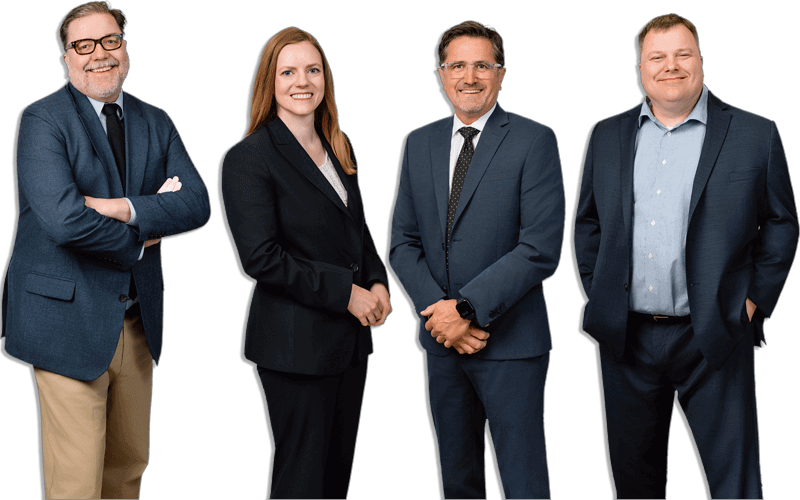
Our attorneys at Kramer Shull Reeths LLP are well-versed in these legal requirements. They are ready to assist you in navigating compliance issues, responding to records requests and ensuring that meetings are conducted in accordance with the law.
Rights Of Municipalities Surrounding Government Records
Municipalities in Wisconsin have a legal obligation to share access to records with the public and manage those records appropriately. They must also be able to send out the records people request as soon as they possibly can.
What Are The Key Requirements Of Wisconsin’s Open Meetings Law?
These are the key requirements:
- Providing meeting notices: Governmental bodies in Wisconsin must provide public notice of their meetings, including the time, date, location and subject matter. The notice must be given at least 24 hours in advance. Shorter notices may be allowed under certain circumstances if it is impossible or impractical to provide 24 hours’ notice.
- Making meetings open to the public: Meetings must be open to the public, allowing citizens to attend, listen and observe the proceedings. This transparency ensures that the public can witness the actions and deliberations of their government.
- Recording meeting minutes: Governments must keep accurate records and times of the meetings. Meeting minutes should document things such as discussions, decisions and votes. These records must be available to the public upon request.
- Knowing what meetings can be closed: There are specific circumstances where meetings can be closed to the public. These are limited to situations involving sensitive topics like personnel matters, legal advice, or competitive or bargaining reasons. The body must vote to go into a closed session, and the reason must be stated in the notice.
- Making meetings accessible: Meetings must be held in locations that are accessible to the public, including citizens with disabilities. That way, everyone is able to participate.
By following these requirements, the Wisconsin Open Meetings Law promotes transparency and accountability in government.
When Does Government Immunity Bar Claims Against Public Entities?
In Wisconsin, government immunity can bar claims against public entities under certain circumstances. This legal principle can protect governmental bodies and their employees from being sued for actions performed as part of their official duties. Here’s a simplified explanation:
- Discretionary acts: Government immunity typically applies to discretionary acts. These are actions that can involve judgment or choice. If a public employee is making decisions that require personal judgment, they are generally protected from lawsuits.
- Ministerial acts: Immunity does not cover ministerial acts. These acts are tasks that a government official is required to perform in a specific way, without the need for personal judgment. If an official fails to perform such tasks correctly, they could potentially be sued.
- Exceptions: There are some other specific exceptions where immunity may not apply, such as situations involving malicious intent or willful misconduct.
Understanding these distinctions helps clarify when government immunity might prevent legal claims against public entities in Wisconsin.
Why Work With Us?
Our boutique litigation firm has extensive experience in municipal litigation. With over 100 years of combined experience, we are here to help you fight and defend against liability claims against your municipality or government employees. We can also help you understand the rights and responsibilities you have as a municipal entity, ensuring you remain compliant with local, state and federal government transparency laws.
Get The Support You Need Today
If you have additional questions about what we can do for you, we are happy to answer them. Please schedule a consultation with us today by calling us at 715-203-4534 or completing our online contact form.